Book Categories:

Sewing Machine Maintenance
Janome Snap-On Presser Foot Compatibility Guide

Share:
Book Categories:


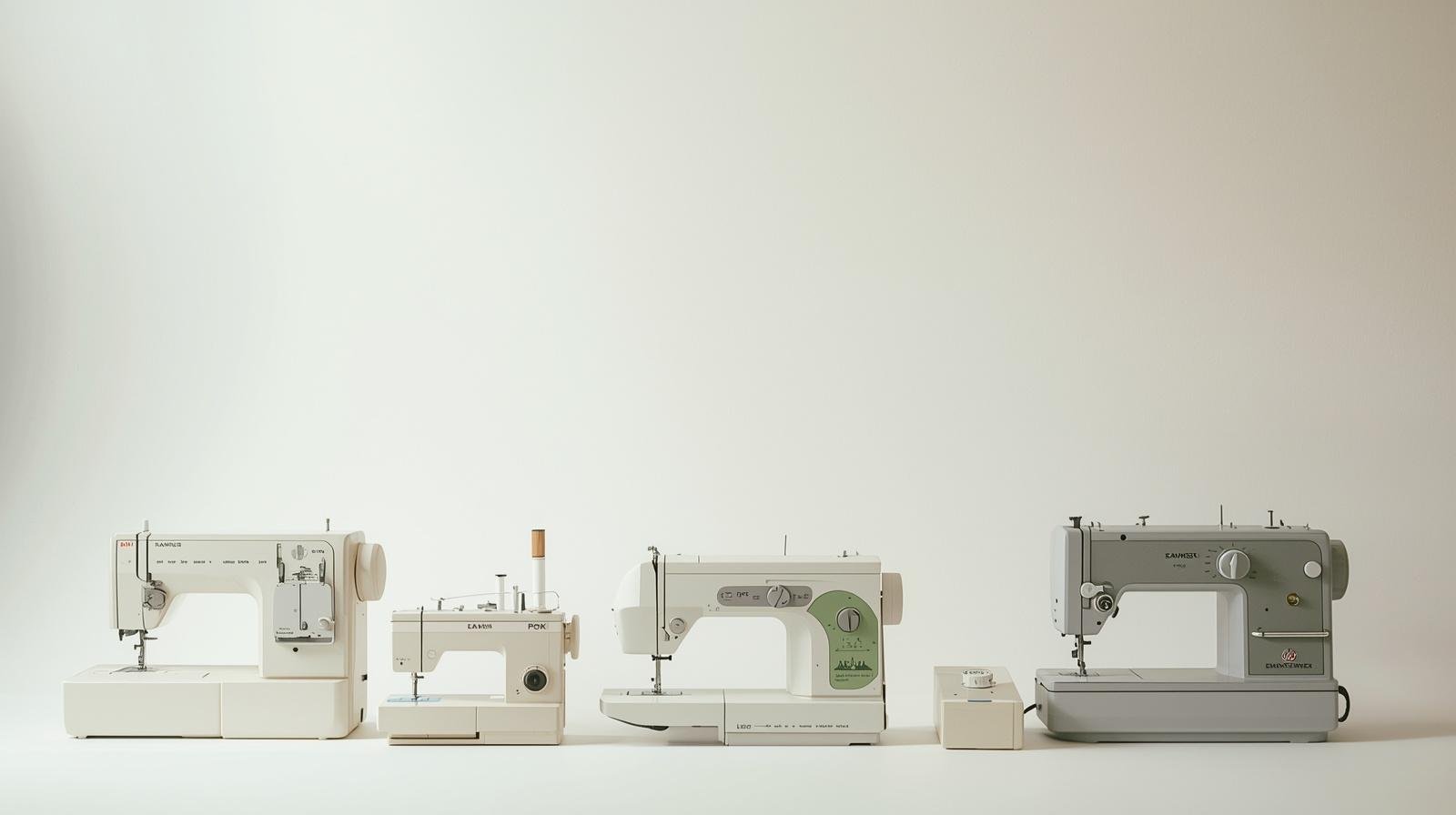
Janome's snap-on presser foot system is one of the most popular in the industry, and for good reason — it's simple, reliable, and most of the feet are interchangeable across models. But “most” isn't “all,” and I've seen people buy an expensive set of specialty feet only to find they won't latch onto their machine. Here's what you need to know.
See also Shank compatibility. See also Janome repair guide. See also Presser foot systems.
Standard snap-on (current lineup). Janome machines made in the last 20 years use a snap-on shank with a spring-loaded presser foot bar. The foot snaps onto a rectangular stud on the shank. The stud width is the critical dimension — on standard Janome feet it's 6mm (about a quarter inch). This includes the popular MC (Memory Craft) series, DC (Design Creator) series, and most of the mechanical models like the HD series. Virtually all Janome accessory feet sold today use this 6mm stud system.
Older models — the narrow shank. Janome machines from the 1970s through the early 1990s sometimes use a 5mm narrow shank. I see this most often on the older New Home branded machines (Janome's former brand name in the US) and early Janome models like the 8012, 8020, and 8040 series. If you snap a modern 6mm foot onto a 5mm shank, it'll feel loose and the foot will wobble side to side — bad for stitching and dangerous if it pops off at speed. Solution: buy narrow-shank specific Janome feet, or use a shank adaptor.
Brother/Kenmore/Singer compatibility. Janome manufactured machines for many other brands, so some Brother and Kenmore machines use the same snap-on system. Not all, but some. The general rule: if the stud is 6mm and the presser foot bar is spring-loaded (push up to release, snap down to attach), it's likely a Janome-compatible system. Singer's newer snap-on feet are also compatible in most cases.
Unsure what you have? Pop the current foot off. Measure the stud width with a ruler. 6mm is standard. 5mm means you need the older narrow line. No stud at all? You might have a low-shank screw-on machine — that's a different system entirely.
—
**Here's my take:** If you're hearing this sound or seeing this issue, don't panic. 90% of the time it's not a major repair — just a quick adjustment or cleaning. Let me walk you through exactly what to check first.
Sewing Machine Monthly Maintenance Checklist
Sewing Machine Troubleshooting: Complete Diagnostic Flowchar