Book Categories:

Sewing Machine Maintenance
Sewing Machine Motor Repair: Brushes, Belt, and Troubleshooting

Share:
Book Categories:


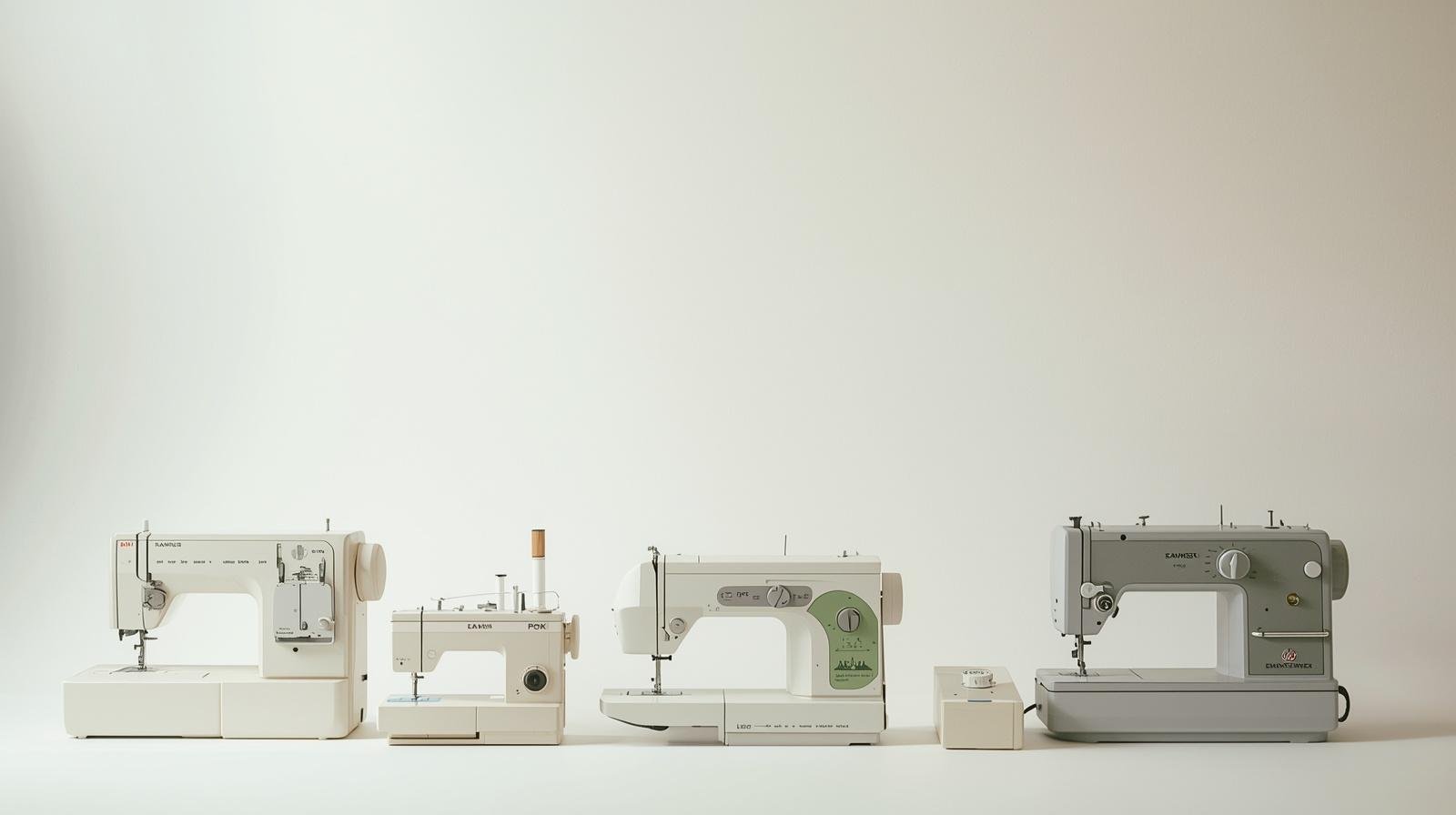
The motor drives the whole machine. Most home sewing machines use universal motors with carbon brushes that wear out over time.
| Symptom | Likely Cause | Fix |
|---|---|---|
| Runs slow even at full pedal | Carbon brushes worn | Replace brushes — $5 |
| Runs slow then stops | Brushes completely worn | Replace immediately |
| Runs slow when sewing thick fabric | Motor underpowered for the job | Reduce speed, use correct needle |
| Runs slow in one direction only | Brush seating issue | Clean brush holders |
Universal carbon brush sets cost about $5 and fit most home machines.
| Symptom | Likely Cause | Fix |
|---|---|---|
| No sound, no movement | Power cord or pedal issue | Check cord, test pedal |
| Humming sound but no movement | Brushes stuck or seized motor | Check brushes, check for seized motor |
| Burning smell | Lint in motor housing or failed winding | Clean motor housing |
| Runs for a second then stops | Brushes worn or thermal protection | Replace brushes, let cool |
| Noise | Cause | Fix |
|---|---|---|
| Squealing | Belt slipping | Tighten or replace belt |
| Grinding | Bearing failure | Replace motor |
| Rattling | Loose motor mounting | Tighten mounting screws |
| Clicking | Something in the motor | Clean motor housing |
Electrical Safety
Always unplug the machine before working on the motor. Do not open the motor housing unless you are comfortable with electrical repairs.
Some machines use a belt between the motor and the handwheel. Belts stretch over time.
| Belt Issue | Effect | Fix |
|---|---|---|
| Squealing on start | Belt stretched | Tighten or replace |
| Machine runs but handwheel does not turn | Belt broken | Replace |
| Machine runs at reduced speed | Belt slipping | Tighten |
| Belt feels loose | Normal wear | Replace every few years |
The sewing machine maintenance guide covers the full service schedule.
—
**Here's my take:** If you're hearing this sound or seeing this issue, don't panic. 90% of the time it's not a major repair — just a quick adjustment or cleaning. Let me walk you through exactly what to check first.
Sewing Machine Needle Plate: Types, Markings, and When to Re
Sewing Machine Runs But Needle Not Moving